


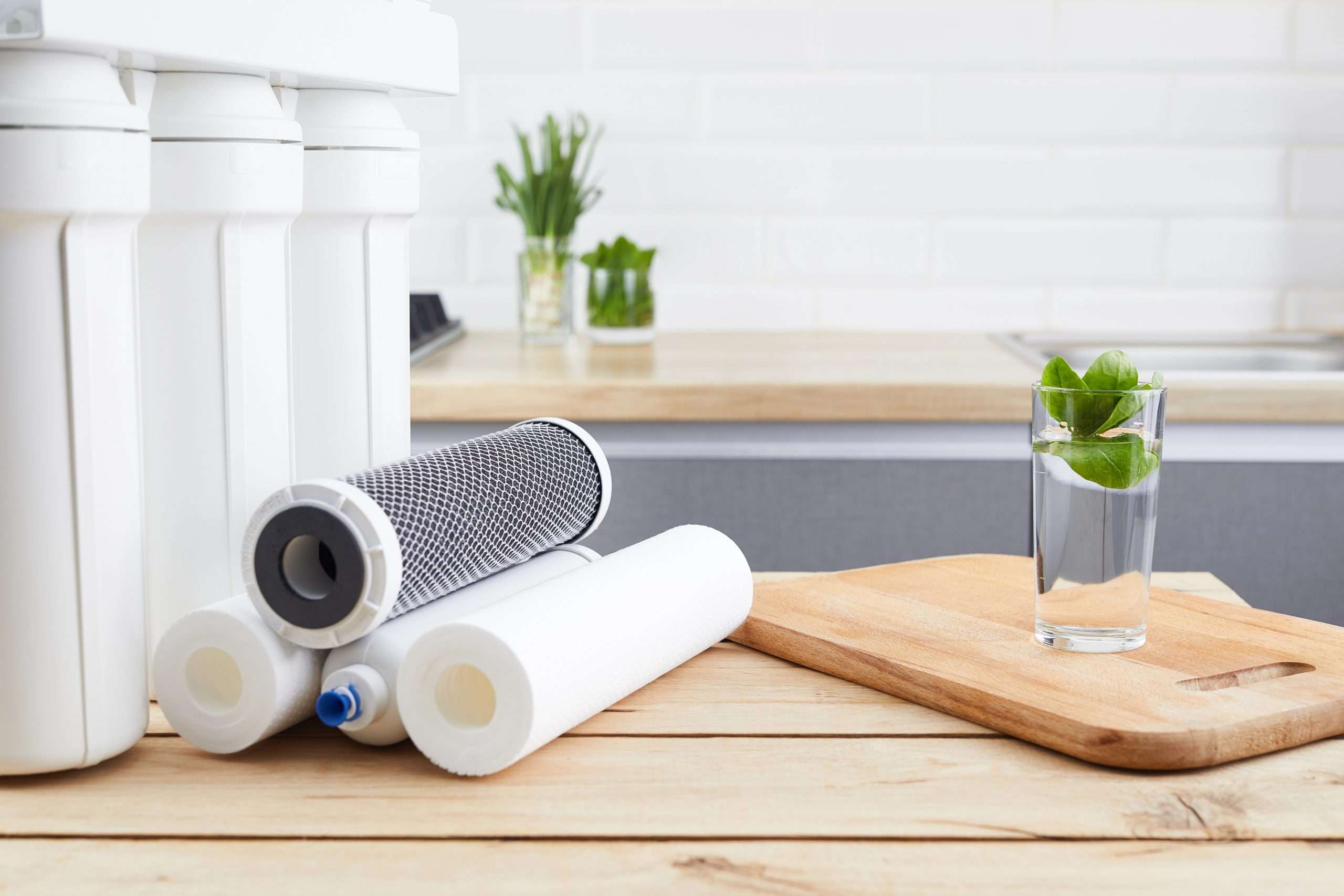
Reverse osmosis provides highly purified water at a single tap for drinking and cooking, while traditional filtration systems treat all incoming water for general household use Choosing between them depends on your home’s water chemistry, your usage habits, and whether you prefer point-of-use precision or whole-home coverage. Many New York homes benefit most from combining both systems for taste, comfort, and appliance protection.
Reverse osmosis has become one of the most trusted ways for New York homeowners to elevate their drinking water quality. Across the state—from Brooklyn apartments to homes in Dutchess, Westchester, and Albany—residents often compare reverse osmosis (RO) to traditional whole-home filtration. Each plays a completely different role, and understanding those differences ensures you choose the system that fits your water, your plumbing, and your goals.
New York’s water varies dramatically depending on location. NYC residents receive exceptionally low-mineral surface water disinfected with chloramine, while surrounding counties may rely on private wells containing sediment, iron, or hardness minerals. These variations mean that no single system works for everyone. Many households choose point-of-use RO for drinking water and whole-home filtration for bathing comfort and appliance protection. Customized water treatment systems can incorporate both for a balanced, long-term solution.
How Reverse Osmosis Works—and When It Fits Best
Reverse osmosis is most effective when your goal is exceptionally pure drinking water at a single tap. RO systems use multiple filters and a semipermeable membrane to reduce dissolved solids, metals, and other contaminants. They typically sit under the kitchen sink with a dedicated faucet and optional remineralization stage to improve taste.
During treatment, water passes through sediment and carbon prefilters before reaching the membrane, which reduces TDS and many dissolved materials. A final carbon polish step improves clarity and flavor. RO can help with metallic taste, cloudy ice, or beverages that don’t taste as expected due to tap water quality. Efficient systems have improved wastewater ratios over older models, making them more eco-friendly today.
- Homes on chlorinated or chloraminated municipal water
- Homes using coffee machines, ice makers, or kettles frequently
- Condos and apartments where whole-home equipment is not feasible
- Families wanting purified water for infant formula or cooking
RO does not treat all water in the home or manage minerals like hardness on a large scale. For whole-home upgrades, many households pair RO with a drinking water system and separate whole-house filtration. Before choosing RO, scheduling a professional water quality test ensures the membrane and filters match your home’s specific chemistry.
Traditional Filtration: Carbon, Sediment, and Whole-Home Coverage
Traditional filtration systems improve all the water entering your home by reducing chlorine, sediment, and nuisance contaminants. Carbon filtration can reduce disinfectant taste and odor, while sediment filters capture sand, rust, and visible particles. Specialty media can address iron, sulfur, or chloramine where needed.
Whole-house systems sit at the point-of-entry so every tap—from showers to laundry machines—benefits from cleaner, conditioned water. Installing a whole-house filtration system can extend the life of appliances by reducing buildup inside heaters and plumbing.
- You want softer-feeling showers and reduced chlorine smell
- Your appliances show signs of scale or mineral buildup
- Your water contains sediment or discoloration
- You want whole-home comfort—not just drinking water purity
Hardness minerals require a dedicated softener rather than carbon or RO alone. This is why many New York homes pair whole-house filtration with softening as part of a broader water treatment plan. When paired with under-sink RO, homeowners enjoy both full-home comfort and pure drinking water.
Key Facts About Reverse Osmosis and Traditional Filtration for New York Homes
- RO systems install at a single tap and reduce TDS and dissolved impurities. Many households use them as part of their drinking water setup.
- Whole-house systems treat every faucet by reducing chlorine and sediment. They often work alongside point-of-entry filtration equipment.
- Hard water is common outside NYC; homeowners can view signs of hardness to determine if softening is needed.
- Professionals recommend testing first before choosing any filtration or purification system.
- Maintenance schedules vary by filter type; regular service visits keep systems at peak performance.
Local Authority: Water Treatment Solutions Across New York
New York’s water sources—from the Catskill watershed to Long Island wells—require different treatment strategies. Homeowners in Brooklyn, Queens, Staten Island, the Bronx, and Manhattan typically deal with chloramine. Homes in Westchester, Rockland, Dutchess, Orange County, and upstate regions frequently experience hardness, sediment, iron, or manganese. Pure Water Source NY serves these diverse communities by designing systems tailored to local geology and municipal treatment methods.
Point-of-Use vs. Point-of-Entry: Matching System Type to the Job
Point-of-use systems like RO focus on drinking water, while point-of-entry systems improve water throughout the entire home. RO excels at purification where water is consumed. Whole-house filtration excels at comfort, appliance protection, and reducing chlorine exposure.
Hardness management requires dedicated water softeners, especially in upstate regions or homes drawing from wells. Learning about common water problems can help homeowners understand whether they need RO, whole-home filtration, softening, or a combination of all three.
Cost, Maintenance, and Efficiency
Reverse osmosis and traditional filtration differ in cost, lifespan, and maintenance needs. RO membranes typically last years, with prefilters changed every 6–12 months. Whole-house systems may require annual cartridge changes or media replacement depending on water chemistry. Homeowners can obtain tailored system quotes through custom pricing consultations.
Start with Testing: The Foundation for Every NY Home
Water testing is the only reliable way to choose the right system. A free water test identifies minerals, disinfectants, and localized issues such as sediment or iron.
Professional Installation and Ongoing Support
Professional installers ensure proper sizing, code compliance, and long-term performance. Adjusting flow rate, pressure, and prefiltration steps prevents premature wear on membranes or media. Homeowners can request a call back to schedule installation or maintenance guidance.
Answers to Common Questions: RO vs. Traditional Filtration
New York homeowners often compare reverse osmosis and whole-house filtration when upgrading their water. These answers outline which system works best depending on your water chemistry, your home layout, and your goals for taste, clarity, and comfort. For additional insights, explore more answers to common water treatment questions.
Is reverse osmosis meant for the whole house or just one tap?
What does traditional carbon filtration help with?
Do I need a water softener for hardness, or will RO or carbon handle it?
How often will I need to change filters and membranes?
What affects the cost of installing water treatment systems?
Does RO wastewater mean it’s inefficient for all homes?
Is hard water unsafe to drink?
What’s the first step if I’m on a private well in New York?
Every home’s water is unique. Reverse osmosis, traditional filtration, softening, or a mix of all three may be required depending on your water chemistry and goals. Testing first ensures the right system is chosen for your household.
Bringing It Together: How to Choose for Your Home
Many New York homeowners choose a combined approach—whole-home filtration plus under-sink RO—to enjoy both comfort and superior drinking water. Articles like the impact of pure water on home health and efficiency help clarify how cleaner water affects daily life.
Ready to Find the Right Fit? Test First, Then Tailor Your System
Pure Water Source NY offers a wide selection of water treatment systems designed for New York’s unique conditions. Homeowners can explore options and shop models through the online catalog after reviewing test results.


